
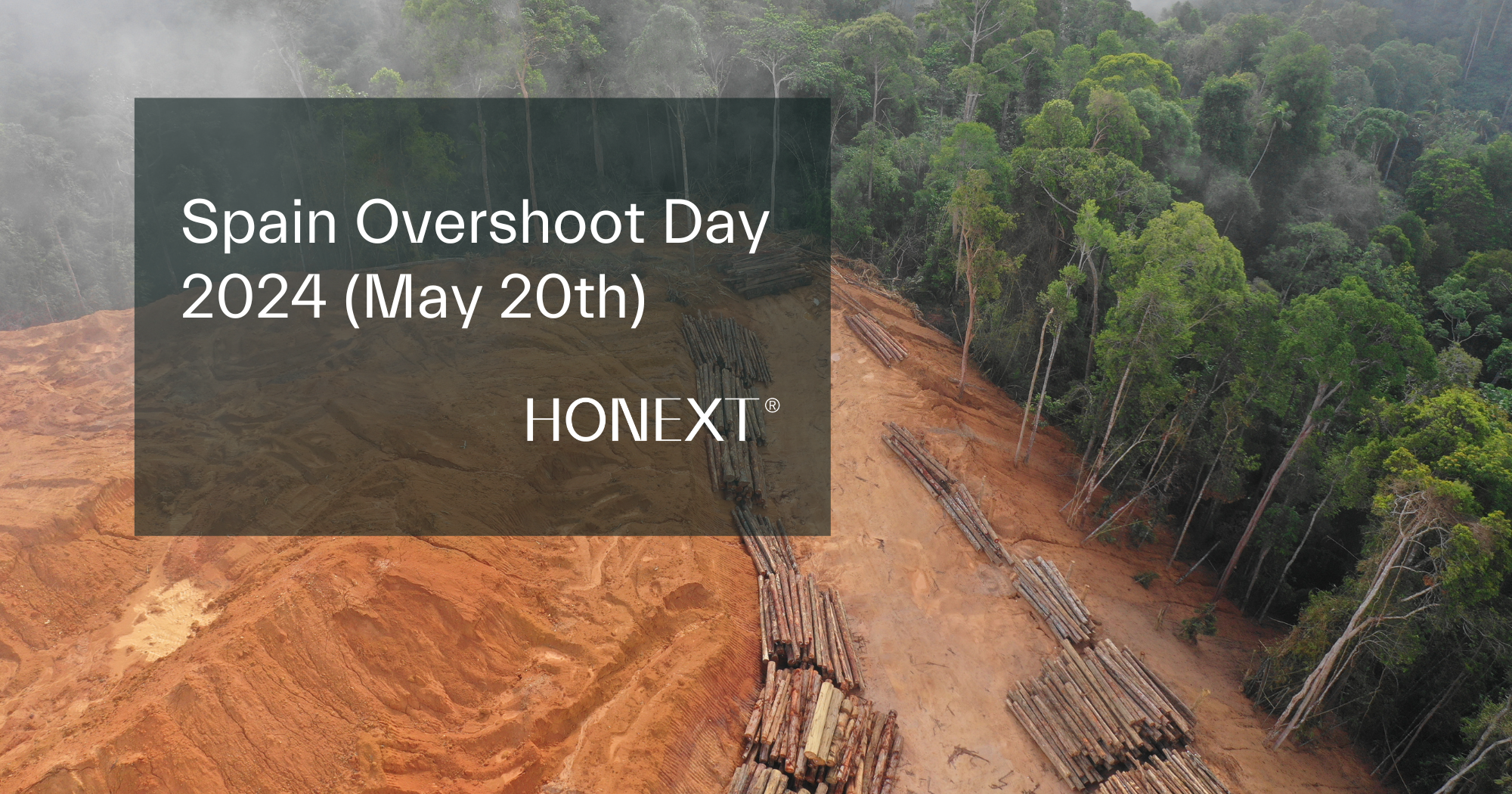
Do you know the meaning of Overshoot Day?
Spain reached Overshoot Day on 20 May 2024. From that day onwards, the country had already consumed all the natural resources that the Earth can regenerate during the entire year. This milestone, calculated by the Global Footprint Network, highlights the urgent need to rethink how we produce, build, and use resources.
Overshoot Day marks the moment when humanity’s demand for natural resources exceeds the planet’s capacity to regenerate them within the same year. As a result, it has become a powerful indicator of the environmental impact of current consumption patterns. It also encourages governments, businesses, and citizens to adopt more sustainable practices.
Why Overshoot Day matters for the construction sector
For Spain, reaching Overshoot Day in May means the country is consuming resources much faster than ecosystems can recover. Therefore, reducing our ecological footprint has become one of the greatest environmental challenges of our time.
One sector that can make a significant difference is construction. The built environment is responsible for a large share of global resource consumption and greenhouse gas emissions. Current estimates show that the sector uses around 50% of extracted natural resources, consumes 40% of total energy, accounts for 30% of water use, and generates 25–30% of all solid waste. Consequently, improving the sustainability of construction is essential to reducing environmental impact.
Although construction plays a fundamental role in economic and social development, it also contributes to resource depletion, soil degradation, pollution, biodiversity loss, and climate change. However, the sector also has a unique opportunity to become part of the solution by embracing circular construction principles.
A circular approach begins with designing buildings that are easier to maintain, repair, adapt, and eventually dismantle. In addition, modular construction systems can reduce waste during construction while extending the lifespan of building components.
Choosing circular building materials is equally important. Developers and architects can significantly reduce the use of virgin resources by selecting recyclable, reusable, and non-toxic materials. As a result, valuable resources remain in circulation for longer, while waste generation and carbon emissions are reduced.
Healthy materials also play a central role in circular construction. Furthermore, products that are free from hazardous substances contribute to healthier indoor environments while protecting natural ecosystems throughout their life cycle.
HONEXT®: Circular building materials for a regenerative future
At HONEXT®, we believe that circularity begins with materials. Our boards are manufactured from residual cellulose fibres recovered from the paper industry, transforming waste into high-performance interior building panels. Instead of relying on virgin raw materials, HONEXT® gives a second life to industrial by-products through a patented biotechnology process.
The result is a new generation of circular building materials that are designed to be reused, recycled, and kept in continuous material cycles. HONEXT® Boards are 100% recyclable, free from toxic resins, and Cradle to Cradle Certified® Gold, demonstrating their commitment to circularity, material health, and responsible manufacturing.
HONEXT® Boards can be used in a wide range of interior applications, including museums, exhibitions, retail spaces, acoustic panels, and wall cladding. Moreover, they offer architects and designers a responsible solution for creating healthier, lower-impact buildings that support circular economy principles.
Overshoot Day reminds us that natural resources are finite. Nevertheless, it also shows that change is possible. By replacing virgin materials with circular alternatives and designing buildings for long-term reuse, the construction sector can play a leading role in reducing the ecological footprint of the built environment.
At HONEXT®, we are committed to accelerating this transition. Every circular material is another step towards healthier buildings, lower carbon emissions, and a more regenerative future.
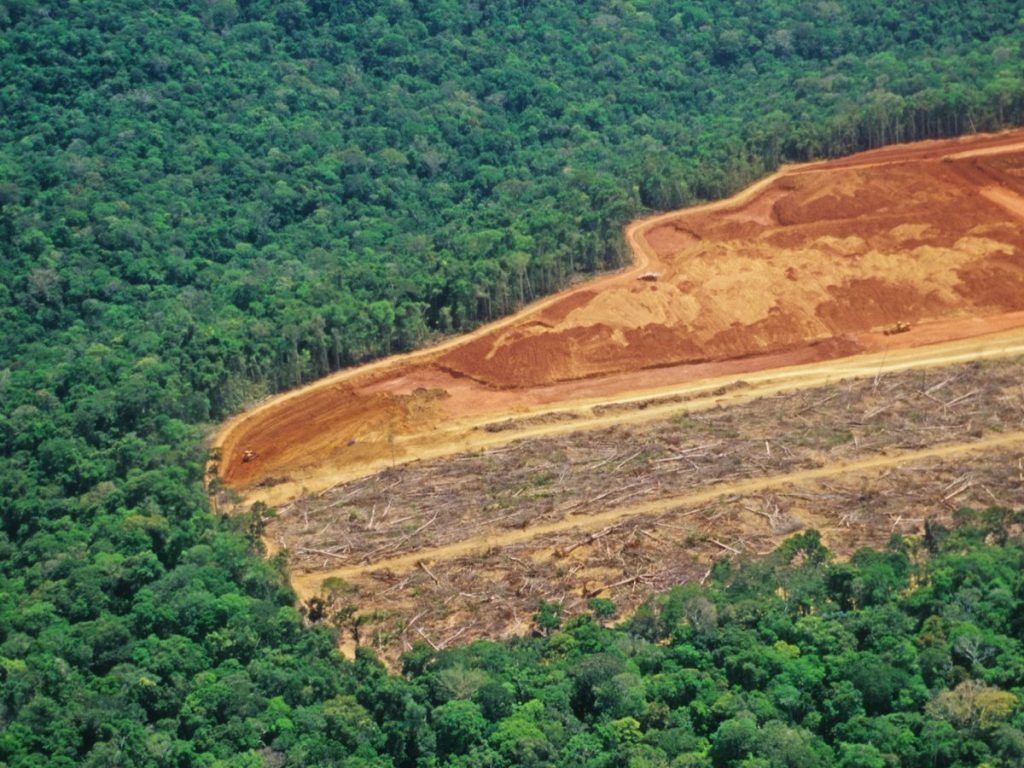
Although the construction sector plays a vital role in economic and social development, its environmental impact can be significant. The intensive use of virgin natural resources contributes to soil degradation, pollution, climate change, and biodiversity loss.
However, this challenge also presents an opportunity. By embracing circular economy principles, the construction industry can significantly reduce its ecological footprint while creating healthier and more resilient buildings.
How can construction become more circular?
The transition to circular construction requires a new approach to the way buildings are designed, built, and managed. To achieve this, every new project should incorporate key circular strategies.
Modular construction. Buildings should be designed for maintenance, repair, adaptation, and reuse throughout their entire life cycle. In addition, modular construction techniques help reduce waste during construction, deconstruction, and future refurbishment.
Circular building materials. Developers and contractors can minimise the use of virgin resources by selecting materials that are recyclable, reusable, and easy to recover at the end of their service life. As a result, valuable materials remain in circulation for longer while reducing waste and carbon emissions.
Healthy materials. Circular buildings should also promote human wellbeing. Therefore, choosing non-toxic building materials helps create healthier indoor environments while protecting natural ecosystems.
HONEXT®: Building the next generation of circular materials
HONEXT® Boards represent a new generation of circular interior building materials.
At the core of our vision is a commitment to accelerate the transition towards circular construction. Instead of relying on virgin raw materials, HONEXT® transforms cellulose fibres recovered from the paper industry into high-performance interior boards through a patented biotechnology process.
Furthermore, our boards are designed to remain in continuous material cycles. They can be reused, recycled, and transformed into new products at the end of their service life, making them 100% circular by design.
HONEXT® Boards are suitable for a wide range of interior applications, including museums, exhibitions, retail spaces, acoustic panels, wall cladding, and temporary structures. Moreover, they provide architects, designers, and construction companies with a safe and responsible material that supports circular economy principles and healthier buildings.
Today, the HONEXT® manufacturing process is Circular by Design and Cradle to Cradle Certified® Gold. Finally, our journey towards transforming the built environment has only just begun. Join us in building a more circular future.