
The materials specified for walls, ceilings, furniture and interior finishes help shape the quality of the spaces where people live, work, learn and meet. As awareness of indoor environmental quality grows, architects, designers and construction professionals are looking beyond appearance and performance to understand what materials contain and what they may emit.
“Non-toxic building materials” is a commonly used term for products designed to reduce exposure to substances that may negatively affect human health or the environment. However, the term should not be treated as a vague or absolute claim. Material health depends on factors such as chemical composition, emissions, exposure pathways, intended use and end-of-use scenarios.
For architects and specifiers, the most reliable approach is to look for transparent product information and third-party assessment. This makes it possible to evaluate a material on evidence rather than relying solely on general environmental claims.
People spend a significant part of their lives indoors. Every material used in an interior contributes to the built environment through its ingredients, finishes and potential emissions.
Material health is therefore an important consideration when designing offices, hospitality spaces, retail environments, cultural venues, schools and homes. Selecting carefully assessed materials can support healthier interior strategies while also helping project teams meet wider sustainability and circular design objectives.
Choosing non-toxic building materials means prioritising transparent material composition, low emissions and independently verified evidence. HONEXT® boards offer a circular solution for non-structural interior applications, transforming recovered cellulose fibres into recyclable boards without added resins or added formaldehyde.
When choosing materials for interiors, look for transparent composition, low VOC emissions, no added formaldehyde, independent certification and recyclability at the end of use.
For architects and specifiers, the most reliable approach is to look for transparent product information and third-party assessment. This makes it possible to evaluate a material on evidence rather than relying solely on general environmental claims.
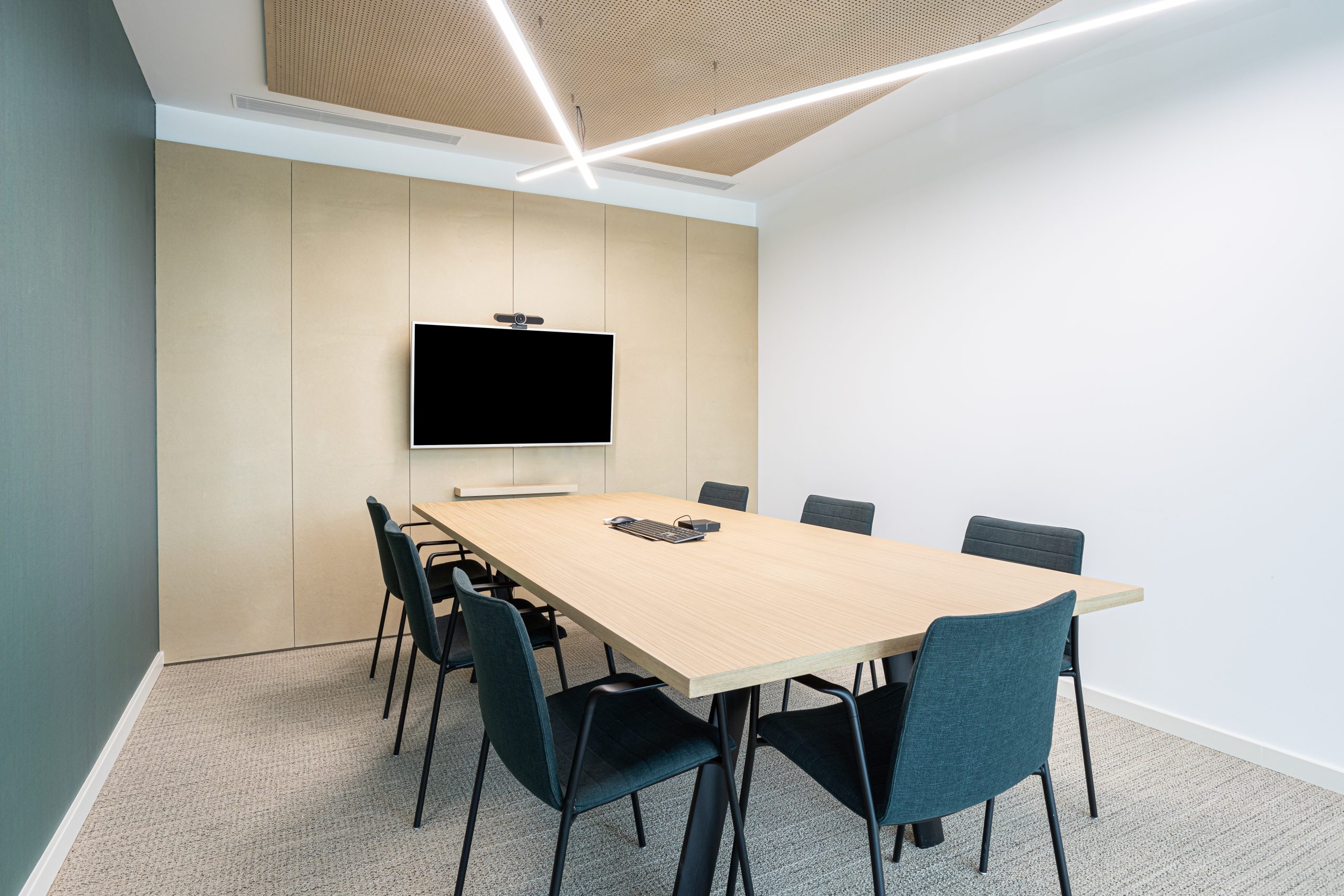
HONEXT® upcycles cellulose waste fibres into recyclable boards for interior applications, without added resins, formaldehyde or VOC emissions. Versatile and easy to transform, they provide architects and designers with a circular solution for healthier, lower-impact interiors.
The HONEXT® production process uses no added resins and produces boards with no added VOC emissions, such as formaldehyde. This makes HONEXT® particularly relevant for project teams seeking alternatives to conventional fibreboards for interior applications.
These claims refer to the raw HONEXT® board. Coatings, adhesives, laminates, inks, varnishes and other components added during transformation or installation should be assessed separately, as they may affect the emissions and material health profile of the finished solution.
HONEXT® STD and FR Boards achieved C2C Certified® Material Health Gold based on version 4.0.
The assessment covered final manufacturing, use, intended end of use through recycling, and unintended end-of-use scenarios. The certification documentation records 100% of the product as assessed, with no grey or X-assessed chemicals, and states that the boards met the applicable VOC emissions testing requirements.
C2C Certified® Material Health focuses specifically on material health. It evaluates how chemicals and materials are selected with the aim of prioritising the protection of human health and the environment through rigorous, science-based requirements.
Explore the independent certifications and environmental documentation supporting the material health, circularity and environmental performance of HONEXT® Boards.
HONEXT® boards can be transformed for a wide range of non-structural interior applications, including:
Decorative wall cladding
Interior ceiling cladding
Acoustic wall and ceiling solutions
Non-structural partitions
Retail and hospitality fit-outs
Exhibition, museum and event installations
Furniture and interior design elements
The boards can be machined and finished using techniques familiar to wood-based panel processors, allowing manufacturers and designers to create different textures, perforations, routed patterns and surface treatments.
Material health is one part of responsible material selection. Adaptability, efficient use and end-of-use planning are also essential.
HONEXT® boards can be incorporated into removable systems that allow elements to be dismantled and reused, depending on the design and installation method. This can be especially valuable in retail, exhibitions, museums and temporary spaces, where interior elements often need to change over time.
At the end of their useful life, eligible HONEXT® boards can be recycled through the HONEXT® process, helping recovered fibres remain in circulation.
There is no single criterion that defines every “non-toxic” building product. A robust specification should consider the precise product, its intended application, the complete installation system and credible supporting documentation.
HONEXT® brings together recovered cellulose fibres, no added resins, no added formaldehyde, VOC emissions testing and independently assessed Material Health. It provides architects, interior designers, manufacturers and fit-out professionals with a versatile circular board for projects where material composition, indoor spaces and environmental performance matter.
Are you developing an interior project and looking for non-toxic building materials for walls, ceilings, acoustic features or fit-outs?
Tell us about the application, required performance, quantities, location and project stage. Our team will help you assess the most suitable HONEXT® board and connect you with the right transformation or distribution partner.
Published by Honext x WEPA GmbH · Last updated: 15 September 2026

Look for a distributor or manufacturer near you to buy HONEXT®. Find suppliers using our map search tool and be part of the change!
Non-toxic building materials are designed to minimise potentially harmful substances and emissions. Transparent composition, VOC testing and independent assessment help professionals make informed choices.
Yes. HONEXT® boards are manufactured without added formaldehyde or added resins.
HONEXT® boards meet the applicable VOC emissions testing requirements. Any coatings, adhesives or finishes added later should be assessed separately.
HONEXT® has been used in office, retail, hospitality, cultural and exhibition projects, including GREENVIA, Construcía and Wallbox installations. Explore our case studies to discover further applications.
HONEXT® STD and FR Boards achieved C2C Certified® Material Health Gold based on version 4.0, with 100% of the product assessed.
You can get ideas for specific applications by exploring our project section.
Yes. HONEXT® boards are designed to be recycled through the HONEXT® process, subject to project location and recovery arrangements.
They are suitable for non-structural interior applications, including wall and ceiling cladding, acoustic solutions, partitions, furniture and retail or exhibition fit-outs.
Subscribe to our newsletter and discover our latest projects, material innovations, certifications, events and company news.