
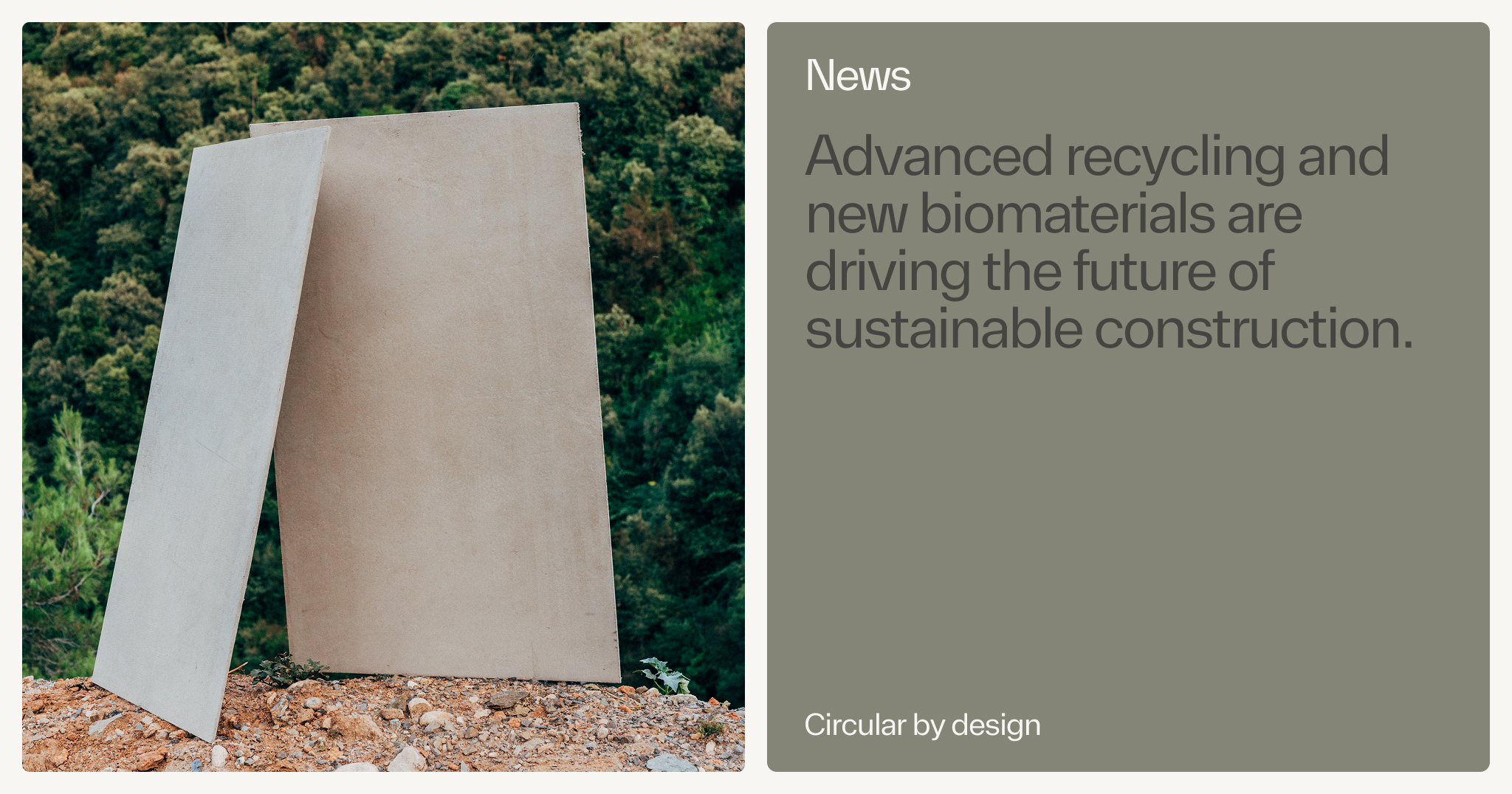
Waste valorisation and circular materials are gaining momentum in a sector under increasing pressure to reduce its environmental impact
On World Environment Day, material innovation and the circular economy are increasingly recognised as key drivers in reducing the environmental footprint of the construction sector.
The construction industry is at a pivotal moment. Regulatory pressure, European climate targets and the growing demand for healthier and more efficient buildings are accelerating the development of a new generation of materials designed to reduce the environmental impact of the built environment.
According to the European Commission, the built environment consumes approximately 50% of all extracted materials in Europe, while the construction sector generates more than 35% of the European Union’s total waste. In addition, the construction and operation of buildings account for around 36% of energy-related greenhouse gas emissions, making the sector one of the most important areas for action in achieving Europe’s climate objectives.
Against this backdrop, the circular economy is becoming one of the most effective strategies for reducing dependence on virgin resources and keeping materials in use for longer. However, the challenge is no longer simply about recycling more—it is about recycling better.
Construction and demolition waste remains the largest waste stream in Europe. Although recovery rates have improved in recent years, a significant proportion of these materials still ends up in low-value applications, limiting their true circular potential.
In response, new advanced recycling in construction technologies are emerging that can transform industrial waste, recovered fibres and by-products from other sectors into high-performance building materials. These developments are giving rise to a new generation of solutions commonly referred to as next-generation materials, waste-based materials, advanced recycled materials and circular building products, designed to reduce waste, increase recycled content and extend the life cycle of resources.
The Transformation of Building Materials in Europe
| Trend | Current Situation | Impact on the Sector |
|---|---|---|
| Circular Economy | Construction generates more than 35% of EU waste | Encourages material recovery and reuse |
| Advanced Recycling | Industrial waste is increasingly transformed into new construction products | Reduces dependence on virgin resources |
| European Regulation | CPR 2024/3110 strengthens sustainability and circularity requirements | Improves transparency and traceability |
| Recycled Content | Demand for verified recycled-content materials is increasing | Influences material specification decisions |
| Material Health | Growing focus on non-toxic products | Supports healthier indoor environments |
| Circular Design | Products are increasingly designed for future reuse and recycling | Extends material life cycles |
The shift towards circular construction requires a new mindset: moving away from seeing waste as a problem and recognising it as a resource. Advanced recycling in construction enables materials that would once have been landfilled to be recovered and transformed into high-value solutions for architecture and interior design.
European regulation is also accelerating this transformation. The new Construction Products Regulation (EU) 2024/3110 strengthens requirements related to sustainability, circularity, durability, reuse, recyclability and environmental transparency across construction products.
As a result, sustainability is no longer viewed as an added value but as an increasingly important criterion in the design, manufacture and specification of building materials.
From Waste to Resource: A New Raw Material for Construction
One of the most significant trends emerging across Europe is the use of industrial waste as a new source of raw materials for the construction sector.
Advances in advanced recycling in construction are making it possible to recover materials that were traditionally sent to landfill or downgraded into low-value applications, reintegrating them into high-performance manufacturing processes.
Waste Streams with Potential to Become Construction Materials
| Waste Stream | Source | Emerging Applications |
|---|---|---|
| Recovered Cellulose Fibres | Paper industry | Panels, wall systems and interior solutions |
| Reclaimed Wood | Construction and demolition | Boards, furniture and building components |
| Agricultural Residues | Agriculture and food production | Insulation and composite materials |
| Recycled Glass | Consumer and construction waste | Finishes, flooring and aggregates |
| Mineral Waste | Construction and demolition | New construction products and recycled aggregates |
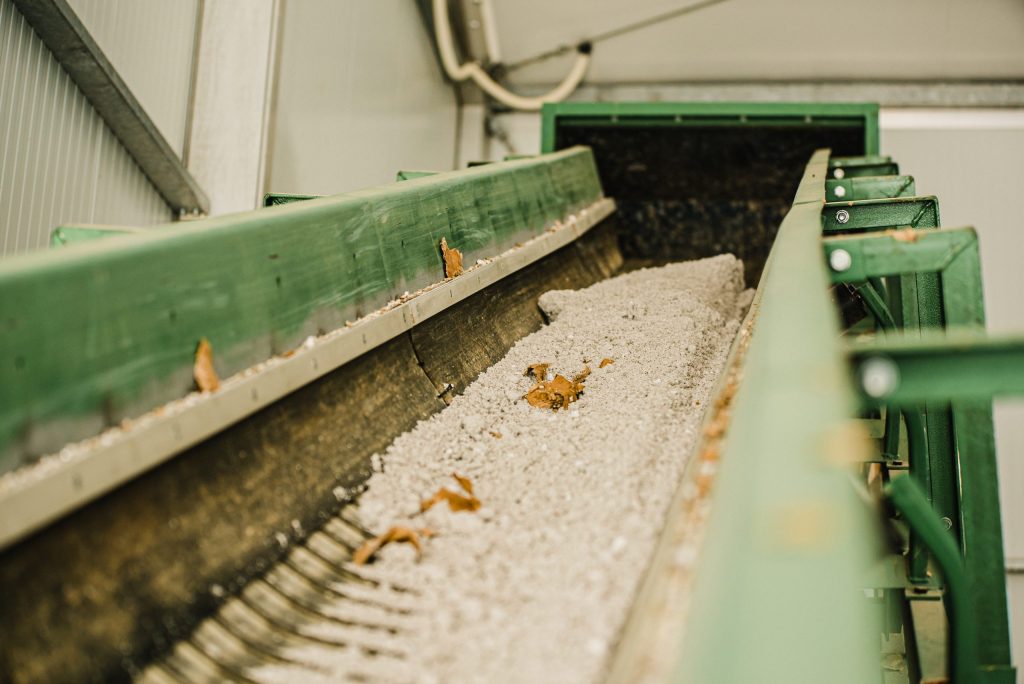
A significant example can be found in the paper industry. According to industry data, European paper mills generate more than 8 million tonnes of paper sludge every year, a waste stream that has historically posed a major management challenge but is now increasingly being incorporated into advanced recycling processes.
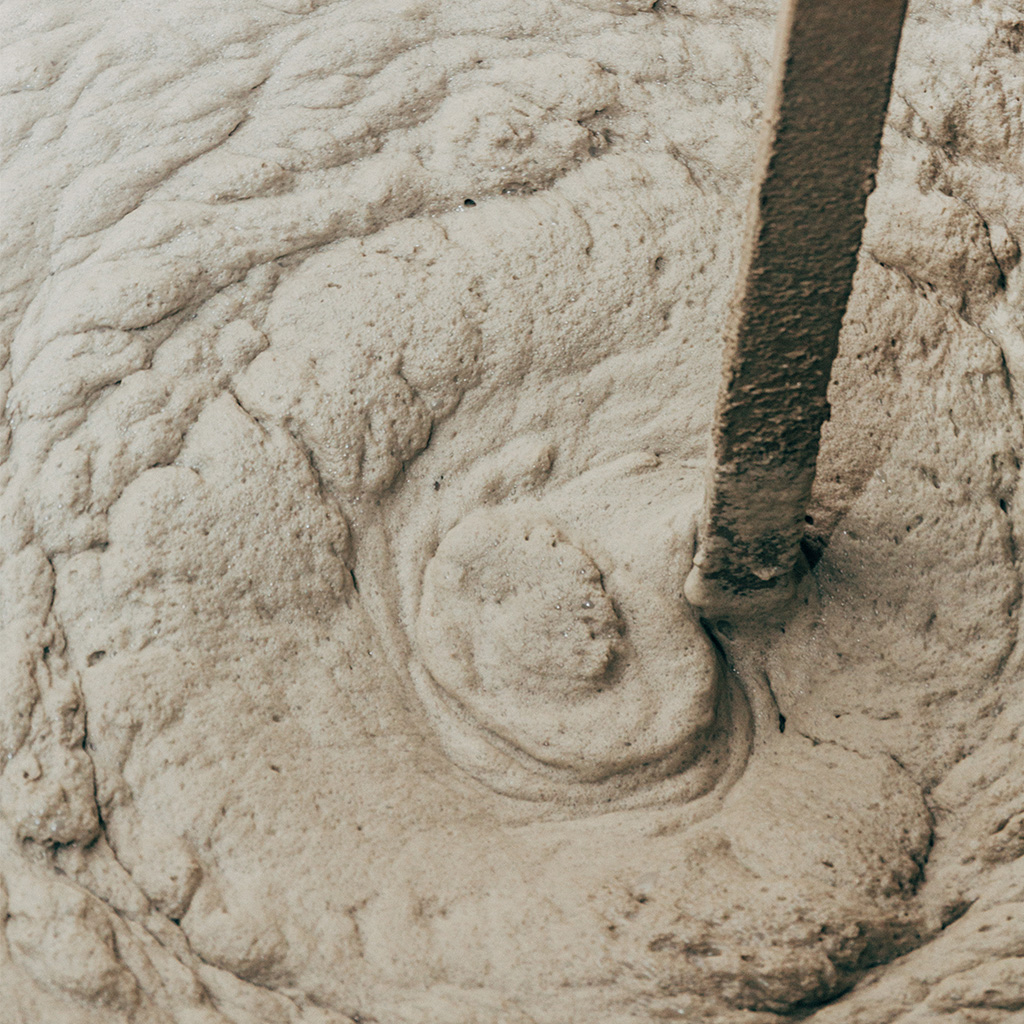
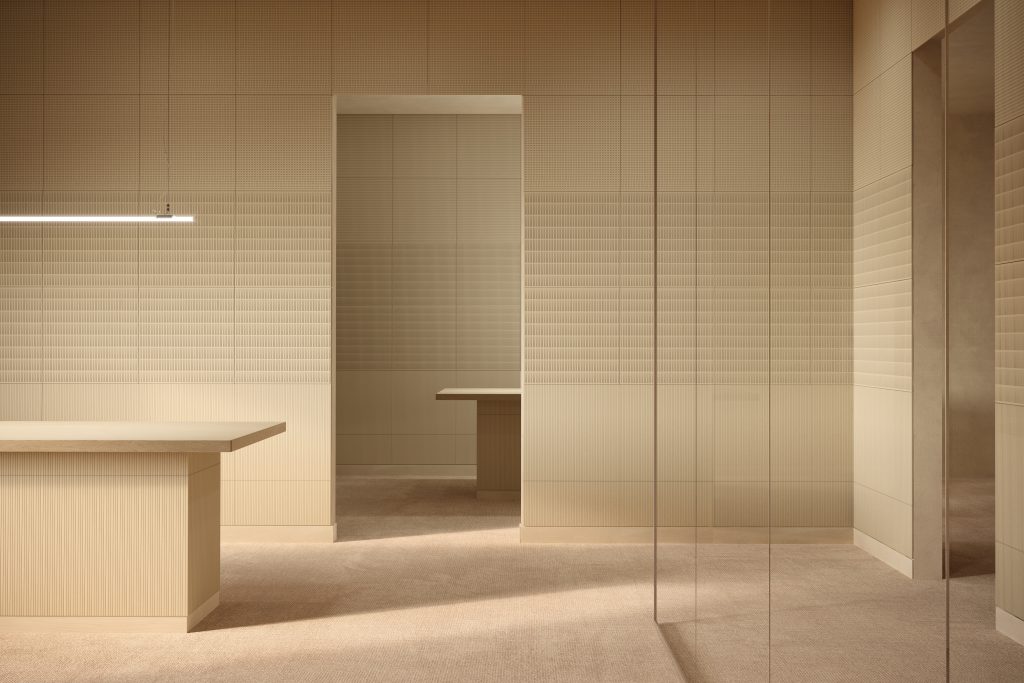
In this context, companies such as HONEXT are demonstrating how industrial waste can be transformed into high-value circular materials for architecture and interior design. The company manufactures panels from recovered cellulose fibres sourced from the paper industry, converting a complex waste stream into a low-impact solution for healthy interiors.
According to its Environmental Product Declaration (EPD), HONEXT panels are manufactured using between 97% and 100% recovered raw materials from the paper industry and are 100% recyclable at the end of their service life. The panels have been developed under Circular by Design principles, aligning with Europe’s growing focus on resource efficiency, circularity and sustainable construction.
Beyond a single product, initiatives such as these illustrate a broader transformation taking place across the sector: the ability to turn waste into resources and create materials that can remain in circulation through increasingly circular value chains.
An Opportunity to Accelerate the Transition
On World Environment Day, the discussion around sustainability in construction continues to gain momentum. The transition towards a lower-impact built environment will depend not only on energy efficiency, but also on the materials used in buildings, their origin, traceability and ability to remain in circulation for longer.
In this context, circular building materials and advanced recycling in construction are emerging as some of the most promising tools for reducing waste, improving resource efficiency and accelerating Europe’s transition towards a more sustainable, resilient and circular construction sector.
Sources
UN Environment programm
https://www.worldenvironmentday.global/
European Commission – Construction and Demolition Waste
Construction and demolition waste accounts for more than 35% of total waste generated in the European Union.
https://environment.ec.europa.eu/topics/waste-and-recycling/construction-and-demolition-waste_en
European Commission – Energy Efficient Buildings
Buildings are responsible for around 40% of energy consumption and 36% of energy-related greenhouse gas emissions in the EU.
https://energy.ec.europa.eu/topics/energy-efficiency/energy-efficient-buildings_en
Regulation (EU) 2024/3110 – Construction Products Regulation (CPR)
New requirements related to sustainability, circularity, durability, recyclability, reuse and environmental information for construction products.
https://eur-lex.europa.eu/eli/reg/2024/3110/oj/eng
HONEXT Environmental Product Declaration (EPD)
European paper mills generate more than 8 million tonnes of paper sludge annually.
HONEXT boards are manufactured using 97–100% recovered raw materials and are 100% recyclable.